 By
By Who invented ice hockey is a question hockey fans have debated for over a century. The short answer: no single person invented it. Ice hockey evolved gradually, shaped by many people and places but Canada, and specifically Montreal, holds the strongest claim as the birthplace of hockey as we know it today. This article walks you through the full history of ice hockey, from its ancient roots to the first organized game, and explains how a cold-weather pastime became a global sport.
The Ancient Roots: Stick-and-Ball Games on Ice
Long before the NHL existed, people were playing stick-and-ball games on frozen ponds and rivers. Evidence of similar games goes back thousands of years. Ancient Egyptians, Greeks, and Romans all played variations of stick and ball games on land. In Europe, a version called English field hockey was popular by the Middle Ages.
When European settlers arrived in North America, they brought those traditions with them. Indigenous peoples in Canada were also playing their own versions of a game on ice, using curved sticks and a ball. These early games weren’t organized ice hockey there were no formal hockey rules, no set teams, no ice rink but they planted the seed.
Read more: Where Was Ice Hockey Invented? The True Birthplace of Hockey
Who Invented Ice Hockey? The Montreal Connection
Most historians and the Society for International Hockey Research agree that modern ice hockey was born in Montreal, Canada. The first recorded indoor ice hockey game took place on March 3, 1875, at the Victoria Skating Rink in Montreal.

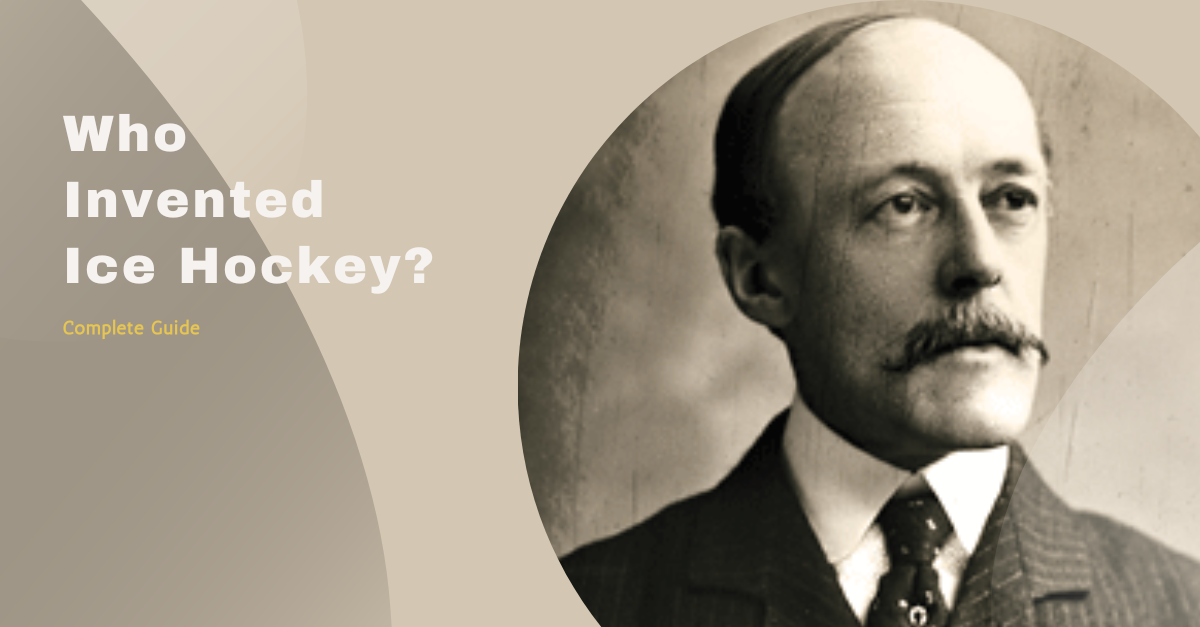
The man behind that game? James Creighton, a Nova Scotia-born engineer and athlete who had moved to Montreal. He organized the first organized ice hockey game, drew up the early hockey rules, and brought the sport indoors a pivotal shift that turned a casual outdoor activity into a proper indoor game.
Creighton used a flat wooden puck instead of a ball (better suited for an indoor ice hockey game), and the teams wore skates designed for speed. This single game is widely considered the true starting point of organized ice hockey.
The Role of McGill University
Shortly after that first game, students at McGill University in Montreal took the sport seriously. In 1877, they wrote down the first formal hockey rules a major step in the evolution of ice hockey.
The McGill University Hockey Club, founded in 1877, became one of the earliest dedicated hockey clubs. It helped spread organized hockey across Canada, turning casual skate sessions into competitive matches with real structure.
This was the beginning of hockey in Canada as a serious sport, not just a winter pastime.
How Ice Hockey Spread Across Canada
Through the 1880s and 1890s, hockey spread quickly. More cities formed their own hockey club organizations. The Montreal Hockey Club, founded in 1884, became one of the most important early teams.
By 1886, the Amateur Hockey Association of Canada was formed the first true hockey league in the world. This marked the beginning of organized ice hockey on a national level.
In 1892, Lord Stanley, the Governor General of Canada, donated a trophy for the top amateur hockey association team in the country. That trophy became the Dominion Hockey Challenge Cup later known as the Stanley Cup, still awarded by the National Hockey League today.
Other leagues followed. The Ontario Hockey Association was formed in 1890. The Quebec Hockey Club competed in early national tournaments. Canadian hockey was booming.
How Ice Hockey Became a Professional Sport
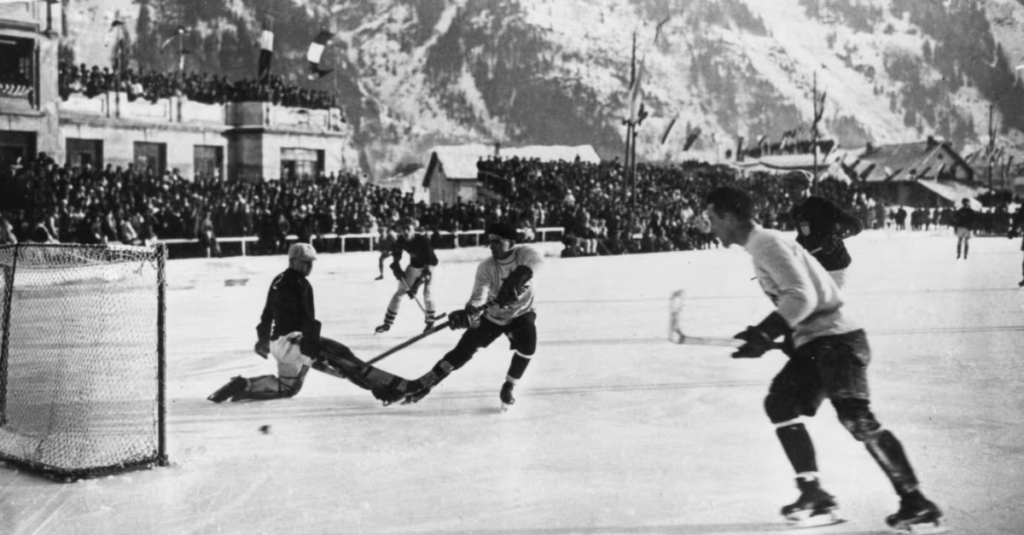
For its first few decades, ice hockey was strictly amateur. That changed in 1904 when the International Professional Hockey League launched in the United States the first professional hockey league in the world.
Back in Canada, the National Hockey Association was formed in 1909, with teams like the Montreal Canadiens. Just a few years later, in 1917, the National Hockey League (NHL) was founded and it’s still the top professional ice hockey league in the world today.
Across the border, the Pacific Coast Hockey Association helped grow international hockey in the early 1900s, creating a rivalry with eastern Canadian leagues that raised the level of the entire sport.
By the time the International Ice Hockey Federation was established in 1908, ice hockey as we know it had truly arrived on the global stage.
Ice Hockey Beyond Canada: Going Global
Hockey on ice didn’t stay in North America for long. British players were among the first to take the game overseas. The Oxford University Ice Hockey Club, founded in 1885, was one of Europe’s earliest. International hockey tournaments grew steadily throughout the early 20th century.
Today, the game of ice hockey is played in dozens of countries, with ice hockey leagues across Europe, Asia, and beyond. The sport’s origins of ice hockey may lie in Canada, but its reach is truly global.
Conclusion
The history of ice hockey isn’t tied to one inventor it’s a story of evolution. From ancient stick-and-ball games to James Creighton’s first organized game in Montreal, from the McGill University Hockey Club to the NHL, hockey developed through the efforts of many passionate people. The origin of hockey is Canadian at its core, but the sport belongs to the world. If you want to go deeper into hockey history, start with Montreal the true birthplace of hockey.
FAQs
Who invented the game of ice hockey?
No single person invented it, but James Creighton organized the first recorded indoor ice hockey game in Montreal in 1875 and is most credited for it.
Which country first invented hockey?
Canada is widely recognized as the birthplace of ice hockey, with Montreal being the city where the modern game began.
Is hockey still in the Olympics?
Yes. Both men’s and women’s ice hockey are part of the Winter Olympics. Ice hockey has been an Olympic sport since 1920.
Which country is first in hockey?
Canada is considered the dominant force in ice hockey history. In recent years, countries like Russia, USA, Sweden, and Finland also rank among the world’s best. Canada holds the most Olympic and World Championship titles overall.