 By
By If you are new to hockey or just trying to plan your evening around a game, one of the first questions you will ask is how long is a hockey game? It is a fair question, and the answer is a little more layered than you might expect. A hockey game consists of three 20-minute periods, which adds up to a total of 60 minutes of actual playing time. But when you factor in intermissions, stoppages, overtime, and commercial breaks, a typical hockey game will last around 2.5 to 3 hours from start to finish.
This is your complete and easy-to-follow guide to hockey game length covering everything from the NHL to college hockey, youth leagues, and even field hockey. Whether you are a first-time viewer or just brushing up on your hockey 101 knowledge, this article covers it all.
How Long Is an NHL Hockey Game? Average Game Length Explained
The National Hockey League is the top professional hockey league in North America, and its games follow a very specific format. An NHL hockey game is built on three periods of play, each lasting 20 minutes on the game clock. That gives you a total of 60 minutes of regulation time on paper.
However, the game clock in hockey only runs when the puck is actively in play. Every time there is a whistle for icing, offside, a penalty, or the puck leaving the ice the clock stops. This is very different from soccer, where the clock keeps running no matter what. Because of all these stoppages in play, each 20-minute period takes roughly 35 to 45 minutes in real time to complete.
Here is a simple breakdown of what makes up a full NHL game:
| Segment | Duration |
|---|---|
| Period 1 | 20 minutes (game clock) |
| Intermission 1 | ~17 minutes |
| Period 2 | 20 minutes (game clock) |
| Intermission 2 | ~17 minutes |
| Period 3 | 20 minutes (game clock) |
| Total Regulation | 60 minutes (game clock) |
| Real-World Duration | ~2 hours and 45 minutes |
So when someone asks how long does an average hockey game last, the honest answer is somewhere between 2.5 to 3 hours for a regular season NHL game, and potentially much longer during the playoffs.
What Are the Two Intermissions and Why Do They Matter?
A hockey match includes two intermissions, one after the first period and one after the second. Each intermission runs for approximately 17 minutes. These breaks serve several very important purposes.
First, the ice has to be resurfaced. The Zamboni machine drives around the rink to allow for ice resurfacing, which smooths out the cuts, grooves, and rough patches left by skate blades. Fresh, smooth ice is important for player safety and the quality of play.
Second, the intermission gives hockey players time to rest, rehydrate, and go over strategy with their coaches. At this level, the game is fast and physical, and those 17 minutes matter enormously for recovery.
Third, the intermission fills a commercial need. TV networks use this time for advertising, analysis panels, and highlights. Those commercial breaks help fund the broadcast, which is why they are protected and scheduled.
How Stoppages Add to Total Game Duration
One of the biggest reasons hockey games run longer than 60 minutes is the sheer number of stoppages in play. Let us break down the most common ones:
Icing is one of the most frequently called stoppages in hockey. Icing happens when a player shoots the puck from behind the center red line all the way down to the other end of the ice without anyone touching it. The play is stopped, and the puck is brought back for a faceoff. Icing is called multiple times per game and adds up quickly. In modern hockey, the NHL uses “no-touch icing,” which means the play is blown dead even faster, but the stoppage still eats into real-world time.
Offside is another common call. When an attacking player enters the offensive zone before the puck crosses the blue line, the play is whistled dead for offside. Like icing, each offside stoppage requires a faceoff to restart play.
Penalties send a player to the penalty box and create a power play for the opposing team. The penalty process involves a referee skating over, explaining the call, and organizing the players before the faceoff. A penalty stop can add two to four minutes of disruption to the flow of the game.
Here is a quick list of the most common stoppages in a typical hockey game:
- Icing
- Offside
- Penalty calls (minor, major, misconduct)
- Puck out of play (over the glass or into the bench)
- Goalie freezing the puck
- Video review and coach’s challenge
- Injuries on the ice
- TV timeouts (each team gets one timeout per game)
All of these moments add additional time to what is already a 60-minute game clock. It is not uncommon for a single period to take close to 40 minutes in real time.
Read more: How Long Is a Softball Game? Complete Guide
Overtime in Hockey — How It Works and How Long It Adds
When a game is tied at the end of regulation, the game does not end in a tie. Instead, the teams play overtime. How overtime works depends entirely on whether it is a regular season or playoff game and this is where things get very interesting.
Regular Season Overtime and the Shootout
In the NHL regular season, if a game is tied at the end of the third period, teams play a 5-minute sudden-death overtime period with just three skaters per side (plus the goalie). If neither team scores in those five minutes, the game moves to a shootout, where players take one-on-one penalty shots against the opposing goalie.
- Regular season overtime adds roughly 20 to 25 minutes to total game duration
- The shootout adds another 10 to 15 minutes on top of that
- A regular season game that goes to a shootout can last close to 3 hours long
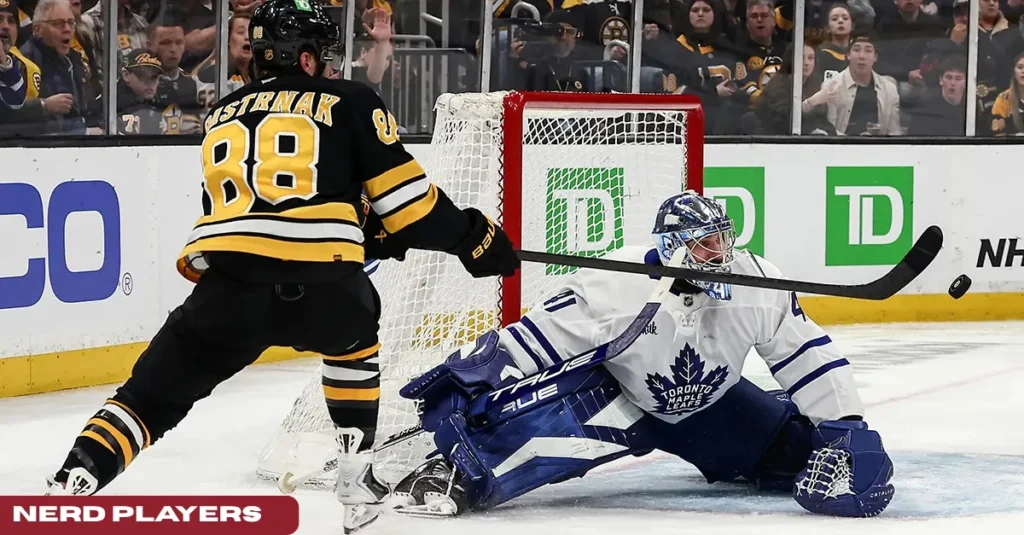
Playoff Overtime — Sudden-Death at Its Most Dramatic
The playoff games follow different rules. There is no shootout in the playoffs. Instead, teams play full sudden-death overtime periods of 20 minutes each. The game continues until someone scores no matter how long it takes.
This is where hockey becomes legendary. Some of the greatest moments in sports history have happened during playoff overtime. The tension is unlike anything else in professional sports.
Famous Long Playoff Games:
| Game | Year | OT Periods | Total Time |
|---|---|---|---|
| Detroit vs. Montreal Maroons | 1936 | 6 OT | ~176 minutes |
| Philadelphia vs. Pittsburgh | 2000 | 5 OT | ~152 minutes |
| Toronto vs. Boston | 1933 | 5 OT | ~144 minutes |
As you can see, playoff games that go deep into overtime can push well past three hours and sometimes close to the length of two full games combined. Planning to watch a playoff game? Clear your schedule.How Long Is a Hockey Game at Different Levels?
Not all hockey leagues follow the same rules. The game duration changes significantly depending on the level of play.
NHL and Professional Hockey
As covered above, an NHL game runs approximately 2 hours and 45 minutes on average. Professional games at this level involve full stoppages, TV timeouts, and a complete intermission structure.
College Hockey
College hockey follows the same basic format as the NHL three 20-minute periods with two intermissions. However, overtime rules differ slightly, and the overall production is smaller, so college games generally last around 2 to 2.5 hours.
Youth and Recreational Hockey
Youth and recreational leagues often use a running clock or shorter periods to manage ice time. A youth game might use three 12 to 15-minute periods and last around 60 to 90 minutes total. Recreational adult leagues follow a similar pattern.
International Hockey
International ice hockey, governed by the IIHF, also uses three 20-minute periods. However, international hockey uses a slightly larger ice surface than the NHL, which can affect pace. Game duration is roughly similar around 2.5 hours for regulation.
Field Hockey
Field hockey is a completely different sport played on grass or turf, and its game duration is totally different. A field hockey game is divided into four quarters of 15 minutes each, giving it just 60 minutes of playing time. With halftime and breaks, a field hockey match typically lasts around 1.5 to 2 hours total — noticeably shorter than an NHL game.
Watching a Hockey Game Live — What to Plan For
If you are heading to your first live NHL game, knowing the game time and what to expect will make the experience far more enjoyable. Here is a practical guide:
Before the Game
- Arrive at least 45 to 60 minutes before the start time
- Players warm up on the ice about 30 to 40 minutes before puck drop
- Find your seat, grab food, and soak in the atmosphere
During the Game
- Each period runs roughly 35 to 45 minutes in real time, per period
- Use intermissions for food, bathrooms, and stretching
- Watch the scoreboard the game clock shows remaining time in each period
After the Game
- Crowds are large, so budget extra time for exiting the arena
- Post-game events and celebrations (especially for big wins) can delay departure
Total time to budget for a live NHL game: 3.5 to 4 hours
Quick Comparison: Hockey vs. Other Major Sports
Here is how hockey game duration stacks up against other popular sports:
| Sport | Playing Time | Average Real Duration |
|---|---|---|
| Ice Hockey (NHL) | 60 minutes | ~2 hrs 45 min |
| Basketball (NBA) | 48 minutes | ~2 hrs 15 min |
| American Football (NFL) | 60 minutes | ~3 hrs 10 min |
| Baseball (MLB) | 9 innings | ~3 hrs |
| Soccer (Premier League) | 90 minutes | ~2 hrs |
| Field Hockey | 60 minutes | ~1 hr 45 min |
Hockey sits comfortably in the middle longer than soccer and basketball, but shorter than an NFL game on average.
Conclusion
So, to wrap it all up how long is a hockey game? A hockey game consists of three 20-minute periods with two intermissions, adding up to a total time of 60 minutes on the game clock. But thanks to icing stoppages, offside calls, penalties, commercial breaks, goalie play, and the general stop-and-start nature of ice hockey, the real-world game duration lands at 2.5 to 3 hours for most regular-season games.
Playoff games can run significantly longer, especially when overtime is involved. Get hockey into your schedule and plan accordingly it is worth every minute. Whether you are watching in the stands, on TV, or just getting into best hockey debates with friends, knowing the game length helps you appreciate the pace, structure, and drama that makes hockey one of the most exciting sports in the world.
Now that you have this best game length guide in your pocket, you are ready to enjoy every drop of hockey viewing from puck drop to final buzzer.
FAQs
How many players are on a hockey team?
Each team has 6 players on the ice 3 forwards, 2 defensemen, and 1 goalie.
What is icing in hockey?
Icing is when a player shoots the puck from their own half all the way down the ice without anyone touching it. Play is stopped and a faceoff is called.
How long is overtime in hockey?
In the regular season, overtime is 5 minutes. In playoffs, it is a full 20-minute sudden-death period that repeats until someone scores.
What is a hat trick in hockey?
A hat trick is when one player scores 3 goals in a single game.